Opens in a new tab
WA Contractor License # JUNKPPL8122JC Open 24 hours
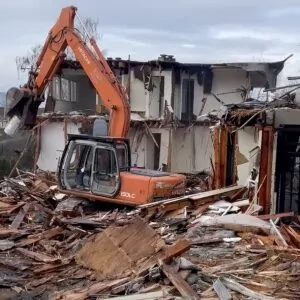
Excavator tearing down a house in a Seattle neighborhood

Demolition Contractors in Seattle

Junk & Demolition Pros provides interior, selective, residential, and commercial demolition with a licensed and insured local crew. We complete the tear-out, coordinate the container when needed, and haul the debris through the same company.

We handle the approved tear-out, cleanup, and debris removal, with dumpster service available through the same company.

  • 8+ Years in Business
  • Licensed & Insured
  • Demolition & Haul-Away
  • One Company for the Job

Demolition, the Container, and the Debris Under One Company

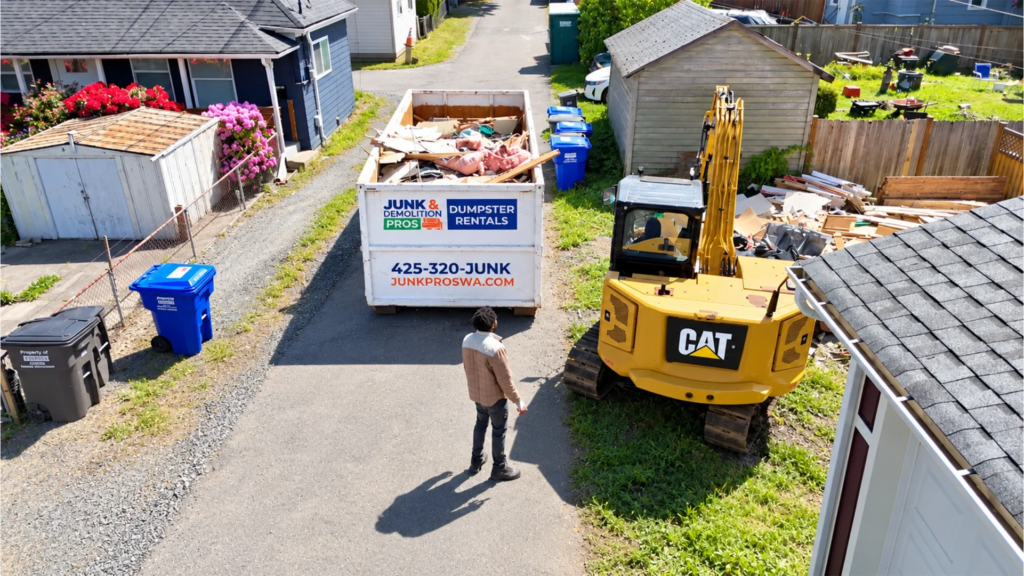
Junk & Demolition Pros truck at a job site and interior demolition debris ready for haul-away

Demolition creates an immediate debris problem. With Junk & Demolition Pros, the tear-out, container, loading, and haul-away can be planned together before work starts.

We define what comes out, estimate the debris, and decide whether the job needs direct loading, a Dumpster Rental, or both. You do not have to complete the demolition and then find another company to clear the site.

For phased remodels, we can also coordinate debris removal around the next trade. One scope and one debris plan reduce handoffs and keep the work area moving toward the next phase.

Residential Demolition That Protects What Stays

For house demolition in Seattle, the first decision is not only what comes out. It is what must remain protected. We define both before the tear-out begins.

Our residential work includes kitchen and bathroom gut-outs, interior walls, flooring, drywall, cabinets, millwork, ceilings, stairs, windows, doors, decks, porches, fences, sheds, garages, and hot tubs within the approved scope.

Protect the Part of Your Home You Are Keeping

  • Plan Access and Protection
    We review the debris route, nearby finishes, and required floor coverings or containment before tear-out begins, especially around occupied or completed areas.

  • Account for Local Conditions
    Older Ballard and Wallingford homes may need closer material review. Capitol Hill walk-ups may add stairs and longer carries to the debris route.

  • Remove Debris In-House
    After the tear-out, we load and haul the approved debris so you do not need to coordinate a separate cleanup company.

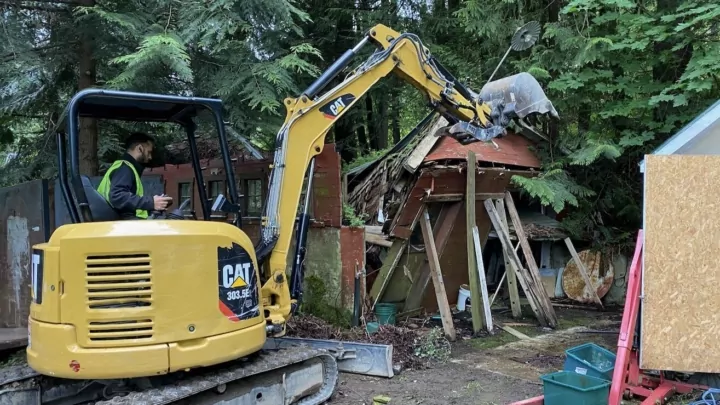
Mini excavator demolishing an old backyard shed

Show Us What Comes Out

Send photos of the work area, access route, and anything that must stay, or call (425) 320-5865 to discuss the scope.

Request a Demolition Quote

Commercial Demolition Planned Around the Site

Commercial demolition in Seattle must account for the schedule, building access, active tenants, other trades, and the condition required for handoff.

We handle interior strip-outs, selective demolition for tenant improvement prep, flooring and drywall removal, walk-in cooler and freezer demolition, concrete and asphalt work, and post-demolition cleanup.

  • Plan Access and Scheduling
    We review loading areas, freight elevators, shared corridors, gates, yard traffic, operating hours, and the route used to remove debris.

  • Define Scope and Handoff
    The approved scope identifies what comes out, what stays, and how the area must be left for the GC or next trade.

  • Keep Debris Moving
    When a container is needed, we coordinate demolition, dumpster service, loading, and haul-away around the site and trade schedule.

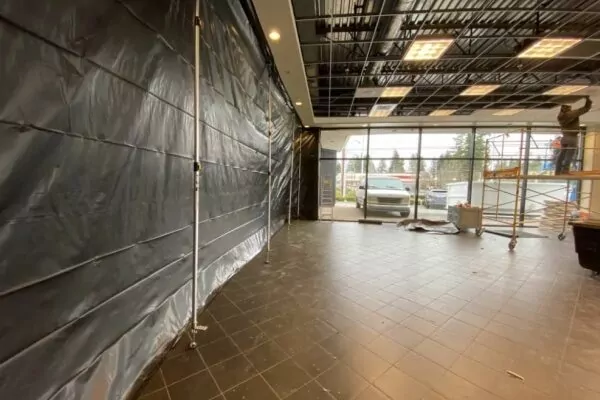
Commercial showroom with plastic containment sheeting set up for interior demolition

Interior and Selective Demolition Services

  • Interior Demolition and Tear-Out

    Remove selected drywall, ceilings, flooring, cabinets, millwork, stairs, windows, or doors before remodeling. The approved scope identifies exactly what comes out.

  • Selective Demolition for Remodels

    Remove specific materials while surrounding areas remain in place. This supports remodels, room reconfiguration, and tenant improvement prep without gutting the entire space.

  • Kitchen and Bathroom Gut-Outs

    Remove agreed finishes, fixtures, cabinets, flooring, and wall materials before rebuilding. Structural work and utility disconnections are identified separately during scoping.

  • Flooring, Drywall, and Trade Tear-Out

    Clear flooring, drywall, roofing materials, insulation, and other trade-specific components so the next contractor can begin with a defined, debris-free work area.

  • Concrete and Asphalt Demolition

    Break and remove slabs, ramps, patios, sidewalks, or asphalt. Access, thickness, reinforcement, equipment needs, and heavy-material hauling affect the plan.

  • Deck, Shed, and Garage Demolition

    Remove decks, porches, fences, sheds, detached garages, or other outbuildings. Size, materials, access, stability, and permit requirements are reviewed first.

  • Hot Tub Demolition and Removal

    Dismantle a hot tub that cannot be lifted out whole, then load and haul the shell, framing, and other approved components.

  • Cabinet and Millwork Tear-Out

    Target cabinets, counters, millwork, ceilings, stairs, windows, or doors when the room does not require a complete interior gut-out.

  • Walk-In Cooler and Freezer Demolition

    Remove approved cooler or freezer components during restaurant, retail, warehouse, or commercial reconfiguration. Confirm utility disconnections and refrigerant handling before work starts.

  • Post-Demolition Cleanup and Hauling

    Load and remove demolition debris already on site, or coordinate cleanup after the tear-out so the area is ready for the next phase.

Tenant Improvement Demolition and Build-Out Prep

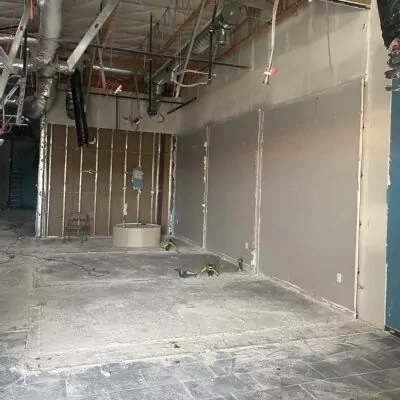
A tenant improvement project often begins by removing what the next contractor no longer needs. We handle selective demolition, strip-outs, flooring and drywall tear-out, commercial cleanout, and debris removal within the approved scope.

Our role is demolition and site preparation, not the build-out itself. We remove the agreed materials and leave the area in the defined handoff condition so the GC or next trade can continue.

For broader property support, see Commercial Property Services.

Commercial Property Services
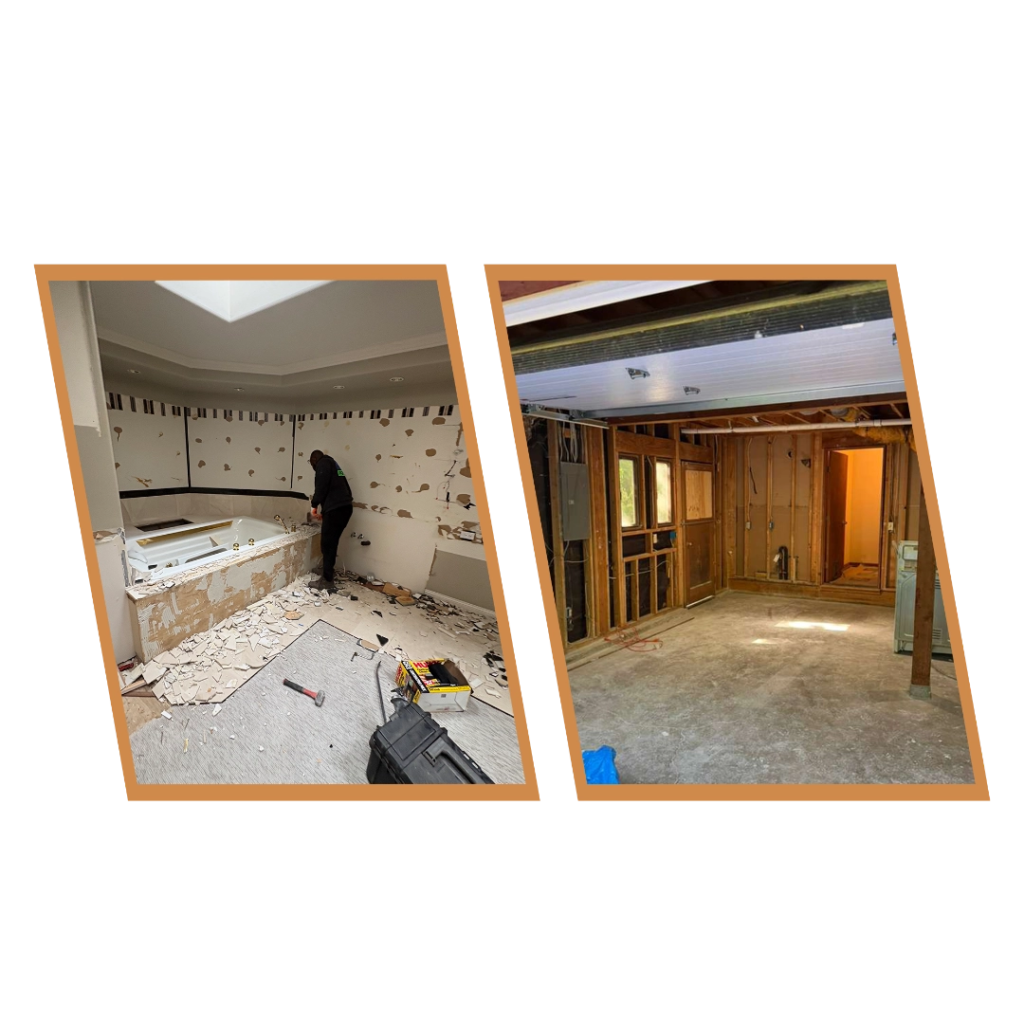
Commercial interior stripped to studs and drywall, ready for the build-out contractor

What Happens During a Demolition Project?

  1. 1. Define the Removal Scope

    Identify the rooms, structures, surfaces, or materials being removed and clearly mark everything that must stay.

  2. 2. Confirm Permits and Access

    Review site access, utility disconnections, permits, material surveys, and other requirements before setting the work schedule.

  3. 3. Protect What Stays

    Plan containment, floor protection, the work zone, and the debris route around finished or occupied areas.

  4. 4. Complete Controlled Demolition

    The crew removes only the materials included in the approved scope while working around the surrounding property.

  5. 5. Load and Haul Debris

    We load the demolition debris and coordinate a roll-off container when the volume or project phases require one.

  6. 6. Prepare for the Next Trade

    We clear the agreed materials and leave the work area in the handoff condition defined before demolition begins.

Seattle Demolition Permits and Material Surveys

Demolition should begin with the scope, not a sledgehammer. Before scheduling, determine whether the work requires a permit, material survey, utility disconnection, or regulated handling.

Confirm the Permit Path

Seattle generally requires a demolition permit to remove a building, although SDCI lists exceptions for some small accessory structures. Partial removal or interior soft demolition may fall under the related construction permit. Confirm the path and responsible party for the actual scope.

Check for Asbestos Before Work

Washington L&I requires a good-faith asbestos inspection of materials that could be disturbed. Puget Sound Clean Air Agency survey and notification requirements depend on the structure and work. If asbestos is found, confirm regulated removal and disposal before demolition.

Plan for Lead-Painted Surfaces

EPA lead-safe requirements may apply when contractors renovate or partially demolish pre-1978 homes and disturb painted surfaces. Identify the surfaces early and confirm the requirements and contractor responsibilities for the actual scope.

Demolition or Deconstruction: Decide What to Save

Selective demolition and deconstruction are not automatically the same. Standard demolition prioritizes safe, efficient removal, while deconstruction removes selected materials carefully enough for reuse.

If cabinets, lumber, doors, fixtures, or other components should be saved, identify them before approving the scope. We will confirm what can be removed intact and whether the project needs a different schedule or handling plan.

What Affects Demolition Pricing?

Demolition pricing depends on the approved scope and what it takes to complete the work safely and leave the agreed handoff condition.

Quote factors can include:

  • Material type and amount

  • Interior or exterior work

  • Concrete or other heavy debris

  • Stairs, elevators, and long carry routes

  • Equipment and truck access

  • Protection or containment requirements

  • Debris volume and hauling method

  • Required permits, surveys, or special handling

We explain the scope and price before approved work begins. Make sure the quote states what is removed, what cleanup is included, and who handles any permits or surveys.

Request a Demolition Quote

Choosing a Demolition Contractor in Seattle

When comparing a demolition contractor in Seattle, WA, make sure each quote covers the same scope, debris plan, protection, and final handoff.

What Is Being Removed?

“Kitchen demolition” could mean cabinets and counters or a complete gut-out. Define every surface, fixture, and material included before comparing prices.

How Is Debris Handled?

Confirm whether loading, haul-away, a dumpster, cleanup, and disposal are included or priced separately. Our quote identifies the services included.

What Will Be Protected?

Identify floors, walls, rooms, common areas, and exterior surfaces that remain. Ask how the work zone and debris route will be managed.

Who Handles Permits and Surveys?

Do not assume permits or material surveys are included. Establish what is required, who handles it, and what must happen before demolition.

What Is the Final Handoff?

If another contractor follows, define how the area should be left. The quote should state what is removed, cleaned, and ready next.

Which Service Fits the Job?

Choose demolition for attached materials, Junk Removal for detached items that need crew loading, and a dumpster when you will load debris over time.

Demolition Across Seattle and the Eastside

Our demolition services cover Seattle, the Eastside, and nearby communities. Share the property address so we can review access with the demolition scope.

Location matters when it changes how the crew or equipment reaches the work. Capitol Hill stairs can lengthen the debris route. Older Ballard and Wallingford homes may require closer material review. Downtown and South Lake Union properties may involve loading or freight-elevator rules, while SoDo and Georgetown sites may require planning around gates and active work zones.

  • Excavator tearing down a two-story building in Seattle
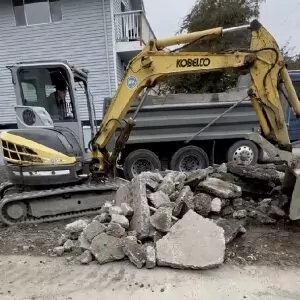
  • Mini excavator loading broken concrete into a dump truck
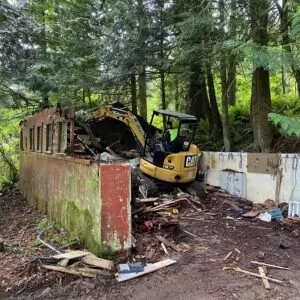
  • Excavator removing an old wooden structure on a wooded lot

Recent Demolition Projects

These projects began with a defined boundary: remove the specified materials while protecting the structure, surfaces, and access areas that remained.

Concrete Ramp and Steel Removal

Seattle residential project, completed in one day.

Using a hydraulic breaker, we removed a 3- to 4-inch concrete deck, metal membrane pan, pipe railings, support posts, and base plates. Limited access required careful staging to protect the building, pavement, utilities, drainage, and nearby finishes. A rock box carried two yards of separated concrete and metal, and the area was left broom-clean.

Gym Carpet and Floor Preparation

Redmond commercial project, completed in two days.

We removed heavily bonded carpet while protecting the subfloor, walls, doors, trim, electrical connections, sprinklers, alarms, and fire exits. When standard methods were not enough, we used a controlled pull with the junk truck, then cleared the remaining fibers and adhesive. The work produced a 5.47-ton 20-yard load and a 2.84-ton truck load.

Six Unsafe Decks Removed Safely

Seattle residential project, completed in two days.

Six deteriorated decks across three levels were unsafe to stand on. Using harnesses and fall-protection equipment, we removed the flooring, framing, supports, and railings and lowered debris from each level. We hauled 9.11 tons while protecting the exterior, windows, doors, gutters, walkways, and landscaping, then cleared loose and hazardous material.

Demolition FAQs

Do I need to clear furniture and belongings first?

The work area and debris route must be accessible. Identify anything that needs to stay. If loose items also need removal, ask whether Junk Removal should happen first.

Can demolition happen while a home or business is occupied?

It depends on the work area, access, dust, noise, building rules, and spaces that remain in use. Do not assume occupied-site or after-hours work is available. Confirm the conditions and schedule during the scope review.

Who disconnects utilities or fixtures before demolition?

The scope must identify who handles electrical, plumbing, gas, refrigeration, or other disconnections. Required work must be completed by the appropriate trade before affected components are removed.

What should I send for a commercial demolition quote?

Send the address, photos or plans, removal scope, items that stay, access rules, operating hours, deadline, permit or survey status, and any COI or purchase-order requirements.

Tell Us What Needs to Come Out

Send the property address, photos of the work and access areas, what should stay, and your preferred timeline. We will review the demolition scope, site conditions, and debris plan before scheduling.

Request a Demolition Quote

Demolition Form